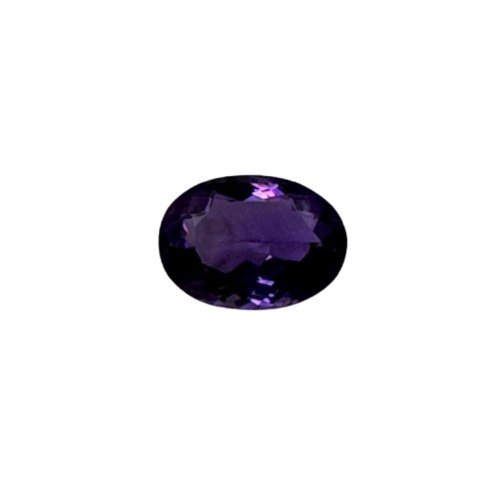
Amethyst can appeal to people who prefer purple gemstones with a clear, noticeable colour rather than the usual blue, green or red stones. It works well for those who like jewellery with a slightly deeper and more distinctive appearance. Its range of purple tones also gives buyers plenty of choice when selecting a stone for regular wear or special pieces.
In traditional Indian astrology, Amethyst is sometimes considered a substitute or alternative associated with Saturn (Shani), particularly for people looking for a more accessible option than Blue Sapphire. However, astrological suitability depends on the individual’s birth chart, so it should not be selected solely on general advice or assumptions.
Amethyst is also well suited to gemstone collectors, jewellery enthusiasts and buyers who appreciate naturally occurring colour variations. A good stone with strong colour, reasonable clarity and proper cutting can work beautifully in rings, pendants and other jewellery designs.
Amethyst is traditionally valued in gemstone practices for its association with Saturn (Shani). Some astrologers consider it when a person seeks a more accessible alternative to Blue Sapphire. Such astrological uses are based on traditional beliefs, not scientific evidence. In traditional practice, Amethyst is associated with qualities such as patience, self-control and a composed approach to challenging situations. It is also sometimes chosen by people looking for a gemstone connected with focus and thoughtful decision-making. Astrological suitability can vary according to an individual’s birth chart. Beyond its astrological use, Amethyst has considerable appeal as a jewellery gemstone. Its purple colour ranges from pale lilac to deeper violet, while natural variations in tone and clarity give each stone a slightly different appearance. Well-cut Amethyst can work beautifully in rings, pendants and other jewellery pieces.
Amethyst quality is mainly judged by its colour, clarity, transparency, cut and overall condition. Deeper purple tones with good saturation are generally more sought after, while very pale stones may be valued differently. Even colour distribution and a clean, well-finished surface can add to the stone’s appeal. Price depends on more than carat weight. Colour strength, transparency, clarity, cut quality, origin and whether the stone has undergone treatment can all influence its market value. Larger Amethysts with attractive colour and good clarity may command higher prices, while stones with visible inclusions or weaker colour are usually available at more accessible rates. There is no single fixed price for Amethyst because quality can differ significantly between individual stones. Buyers should compare colour, clarity, cutting and treatment information along with weight before judging the price. For astrological use, authenticity and suitability should also be considered separately from appearance and cost.
Look for a well-saturated purple colour with good depth and an even appearance throughout the stone.
Better-quality Amethyst generally shows good transparency with fewer visible inclusions affecting its appearance.
A proper cut helps the stone reflect light well and brings out the depth of its purple colour.
Confirm whether the colour is natural or enhanced, especially when purchasing Amethyst for collection or astrological use.
Every stone ships with a lab certificate stating origin, treatment and weight — priced accordingly and disclosed upfront, no surprises at checkout.