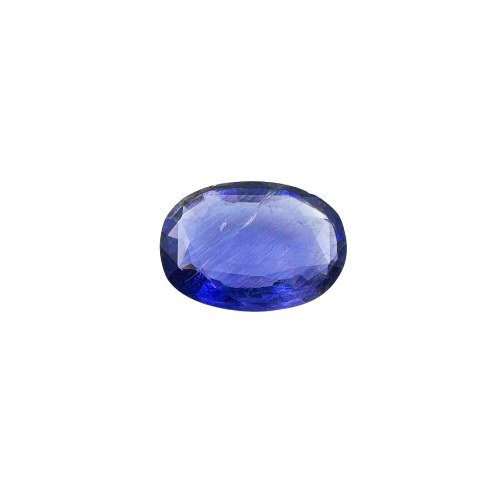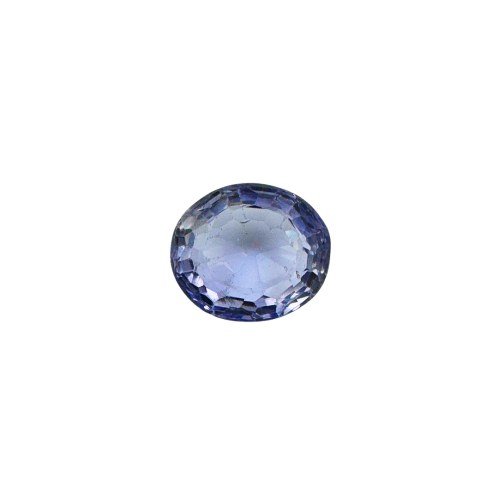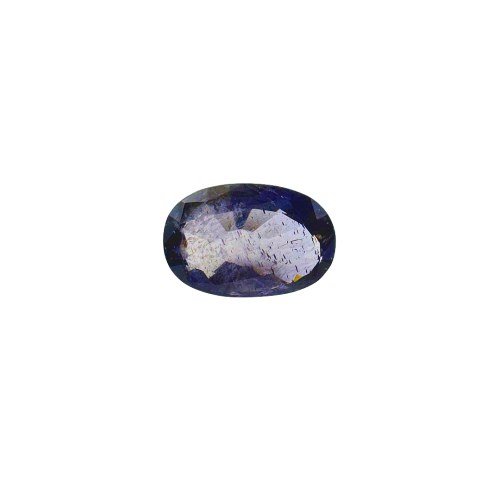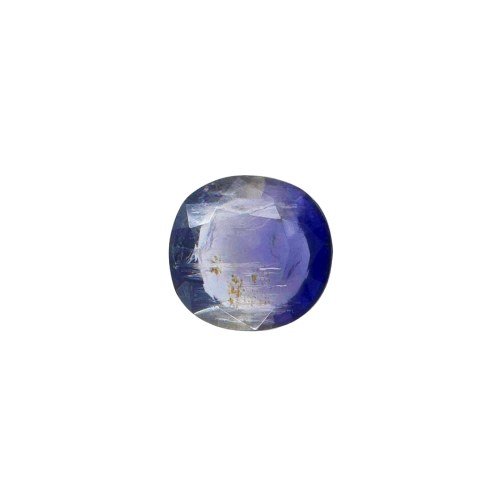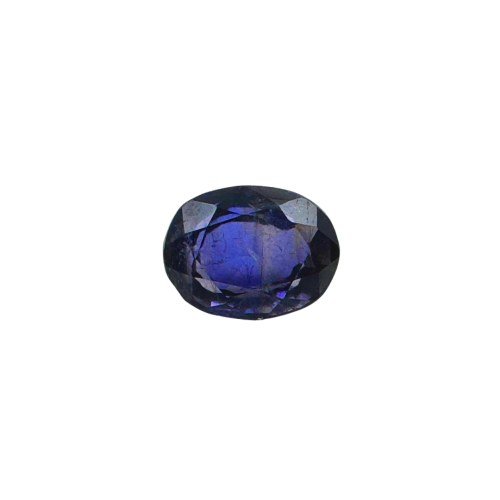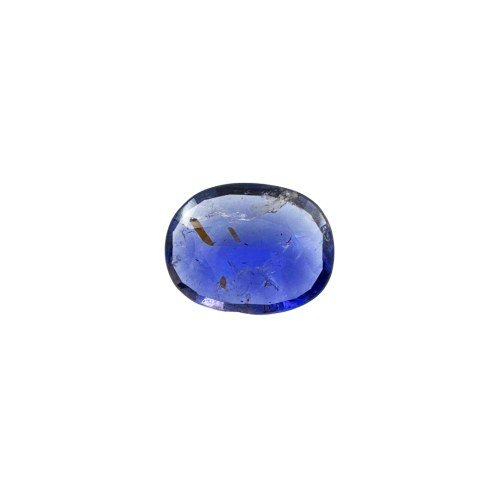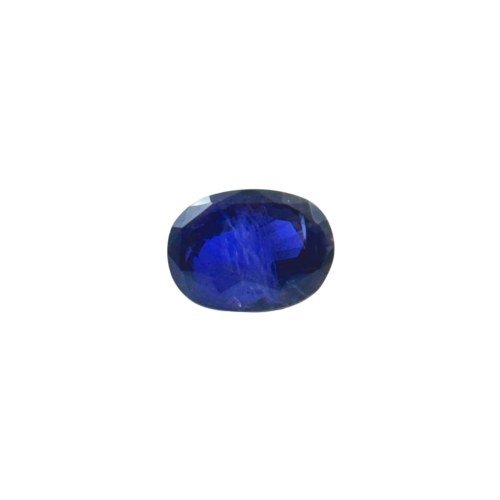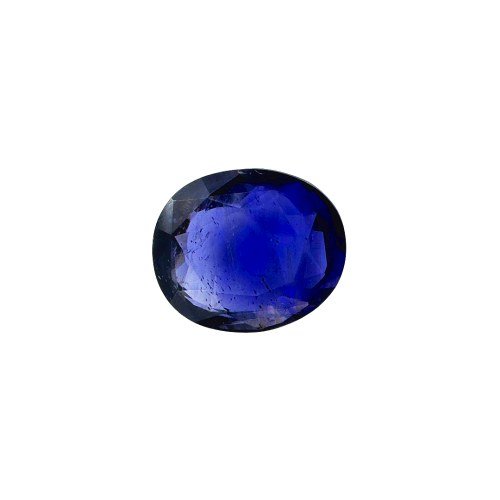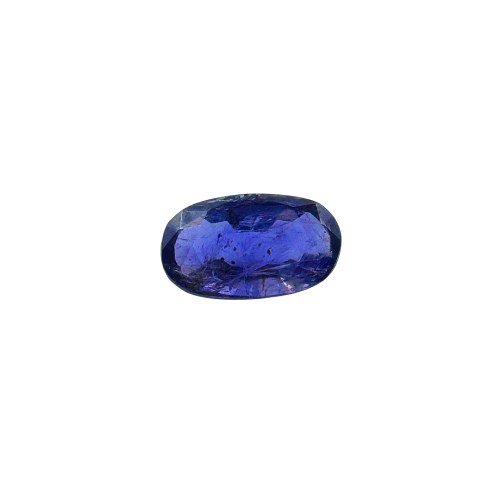
Iolite (Kaka Nili) is often considered by people who want a blue gemstone with a character different from the more familiar sapphire. Its blue-violet colour and changing appearance make it suitable for those who prefer understated jewellery with a distinctive stone rather than a loud or overly bright look.
In traditional Indian gemstone practice, Iolite is sometimes associated with Saturn (Shani) and is chosen by people looking for an alternative stone connected with this planetary influence. Those considering it for astrological purposes should select the stone according to their birth chart and take guidance from a knowledgeable astrologer rather than wearing it solely on general advice.
It can also suit collectors, jewellery enthusiasts and buyers who appreciate naturally occurring colour variation. A good-quality Iolite with pleasing colour, transparency and proper cutting can work well in rings, pendants and other pieces intended for regular wear.
Iolite (Kaka Nili) is traditionally valued in gemstone and astrological practices for its association with Saturn (Shani). Those who wear it for astrological reasons often seek qualities such as greater discipline, patience and a more steady approach toward responsibilities. These are traditional beliefs, not scientifically established effects. In Vedic gemstone traditions, Iolite is sometimes considered when a person wishes to work with Saturn-related energies without choosing a conventional blue sapphire. It is commonly discussed in connection with focus, self-control and persistence. Whether it is suitable depends on the individual’s birth chart and astrological considerations. Apart from its traditional use, Iolite has strong appeal as a jewellery gemstone. Its blue-to-violet colour, natural pleochroism and changing appearance under different viewing angles give it a distinctive look. A well-cut stone can add character to rings, pendants and other jewellery pieces.
The quality of Iolite (Kaka Nili) is judged by several factors rather than colour alone. Clarity, colour strength, transparency, cut, surface condition and the stone’s overall appearance all influence its value. Stones with a clean body, attractive blue-violet colour and good transparency generally command better prices than heavily included or dull-looking pieces. Iolite is naturally pleochroic, meaning its colour can change slightly when viewed from different directions. This characteristic is important when assessing a stone, as proper cutting can bring out its better blue or violet tones. Origin, treatment, carat weight and the quality of finishing may also affect the final price. Larger stones with good colour and clarity are usually priced higher. There is no fixed market rate for Iolite because prices vary considerably according to quality and seller. Buyers should compare the actual stone rather than relying only on carat weight or photographs. For an astrological purchase, authenticity and suitability should be considered alongside appearance and price.
Look for a pleasant blue to violet-blue colour with good depth and an even overall appearance.
Stones with better transparency and fewer visible inclusions generally have greater appeal and value.
A well-executed cut helps bring out Iolite’s colour variation and improves its face-up appearance.
Iolite naturally shows different shades from different angles, giving each properly cut stone its own visual character.
Carat weight, colour, clarity, cut, transparency and overall condition all contribute to the stone’s market value.
Every stone ships with a lab certificate stating origin, treatment and weight — priced accordingly and disclosed upfront, no surprises at checkout.