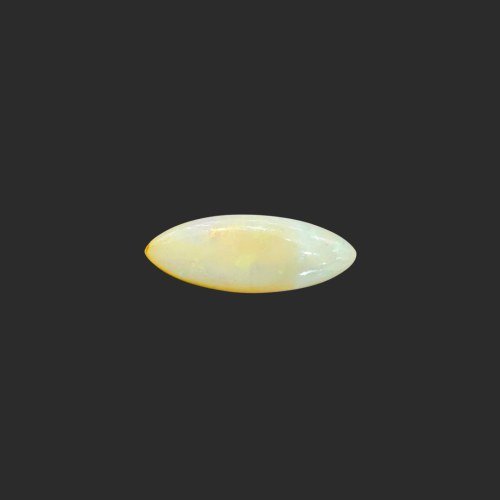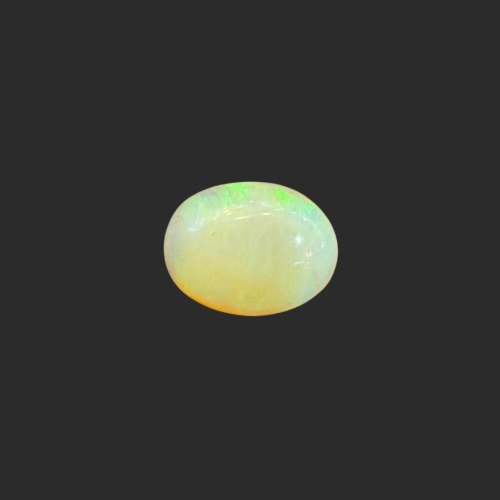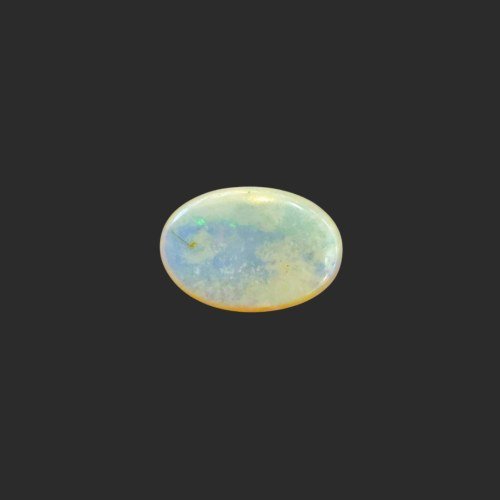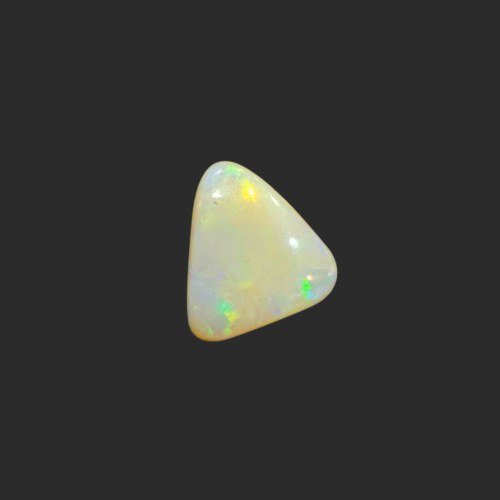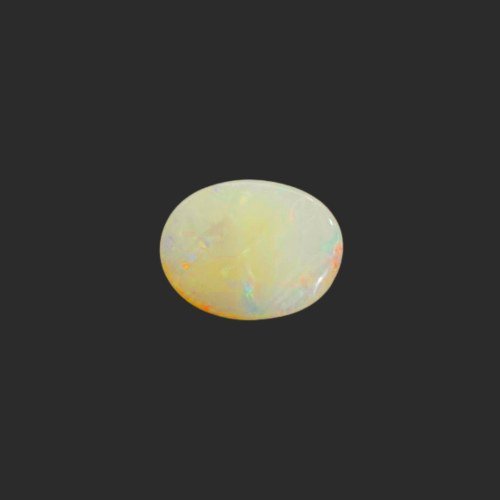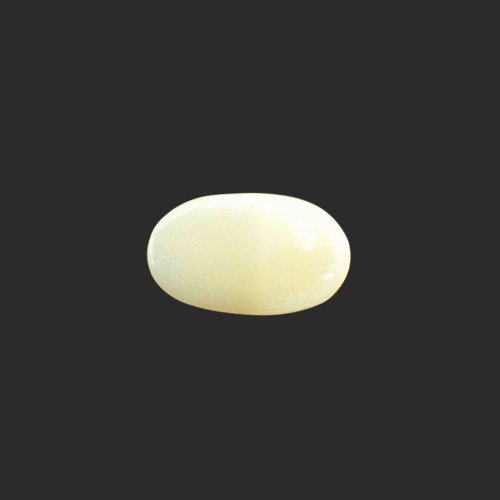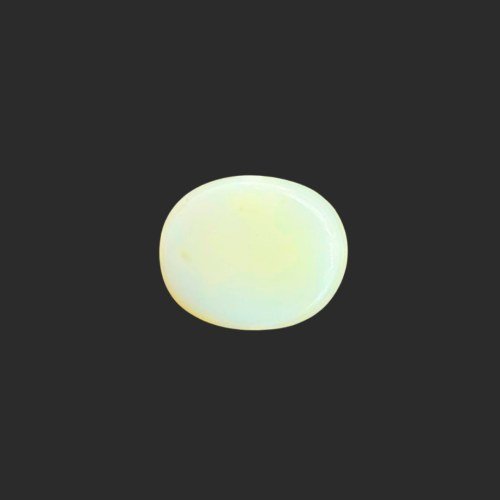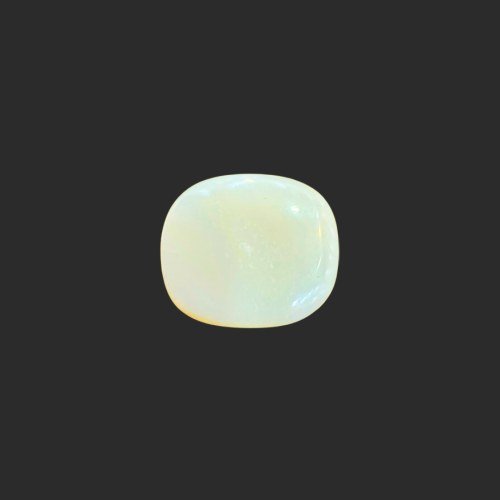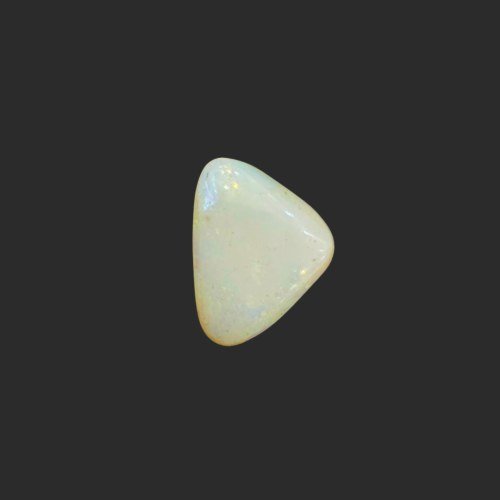
Opal can suit people who enjoy gemstones with visible colour movement and a softer, more varied appearance. It is especially appealing to those who prefer something different from the usual clear or single-colour stones. Its changing flashes work beautifully in rings, pendants and other jewellery where the stone can catch natural light.
In traditional Indian astrology, Opal is commonly associated with Venus (Shukra) and is considered by some for matters connected with love, relationships, creativity, luxury and material comforts. Those considering Opal for astrological purposes should first have their birth chart examined, as gemstone suitability is not the same for everyone.
Opal is also a good choice for jewellery collectors and gemstone buyers who appreciate natural variations. Colour play, pattern, transparency and body tone can differ from one stone to another, so choosing a well-selected piece is important for both appearance and long-term satisfaction.
Opal is traditionally associated with Venus (Shukra) in Indian astrology. It is often chosen by those seeking a gemstone connected with love, relationships, creativity, beauty and material comforts. These associations come from traditional astrological practices rather than scientific evidence. In gemstone traditions, Opal is also linked with emotional expression, artistic interests and appreciation for finer things. Its colourful appearance makes it particularly appealing to people involved in creative fields or those who enjoy distinctive jewellery. Astrological suitability can vary from person to person, so a birth-chart assessment is generally recommended before wearing Opal for this purpose. Beyond astrology, Opal offers an entirely different kind of benefit as a jewellery stone. Its natural play-of-colour can show changing flashes of blue, green, orange and other shades as light moves across the surface. Every stone can display a different pattern, making a carefully selected Opal a personal addition to a jewellery collection.
Opal quality is assessed through its play-of-colour, body tone, pattern, brightness, transparency and overall surface condition. A stone showing strong, well-distributed colour across the face generally attracts greater interest than one with faint or limited flashes. The pattern and colour combination also play an important role. Price can vary considerably depending on the type and quality of Opal. Origin, body colour, colour intensity, pattern, size, transparency and workmanship all influence its market value. Natural Opals with attractive colour play and good overall appearance are generally priced higher, while stones with weaker colour display or visible imperfections may fall into lower price ranges. There is no single fixed rate for Opal. Two stones of the same weight can have noticeably different prices because their colour display and quality are not identical. Buyers should examine the actual stone, its treatment status, origin and certification where available before comparing prices.
Look for clear flashes of colour with good brightness and an even spread across the stone.
A suitable body tone should complement the colour play and give the Opal a balanced overall appearance.
Well-defined colour patterns with attractive movement can add character and increase the visual appeal of an Opal.
Every stone ships with a lab certificate stating origin, treatment and weight — priced accordingly and disclosed upfront, no surprises at checkout.